What this article covers
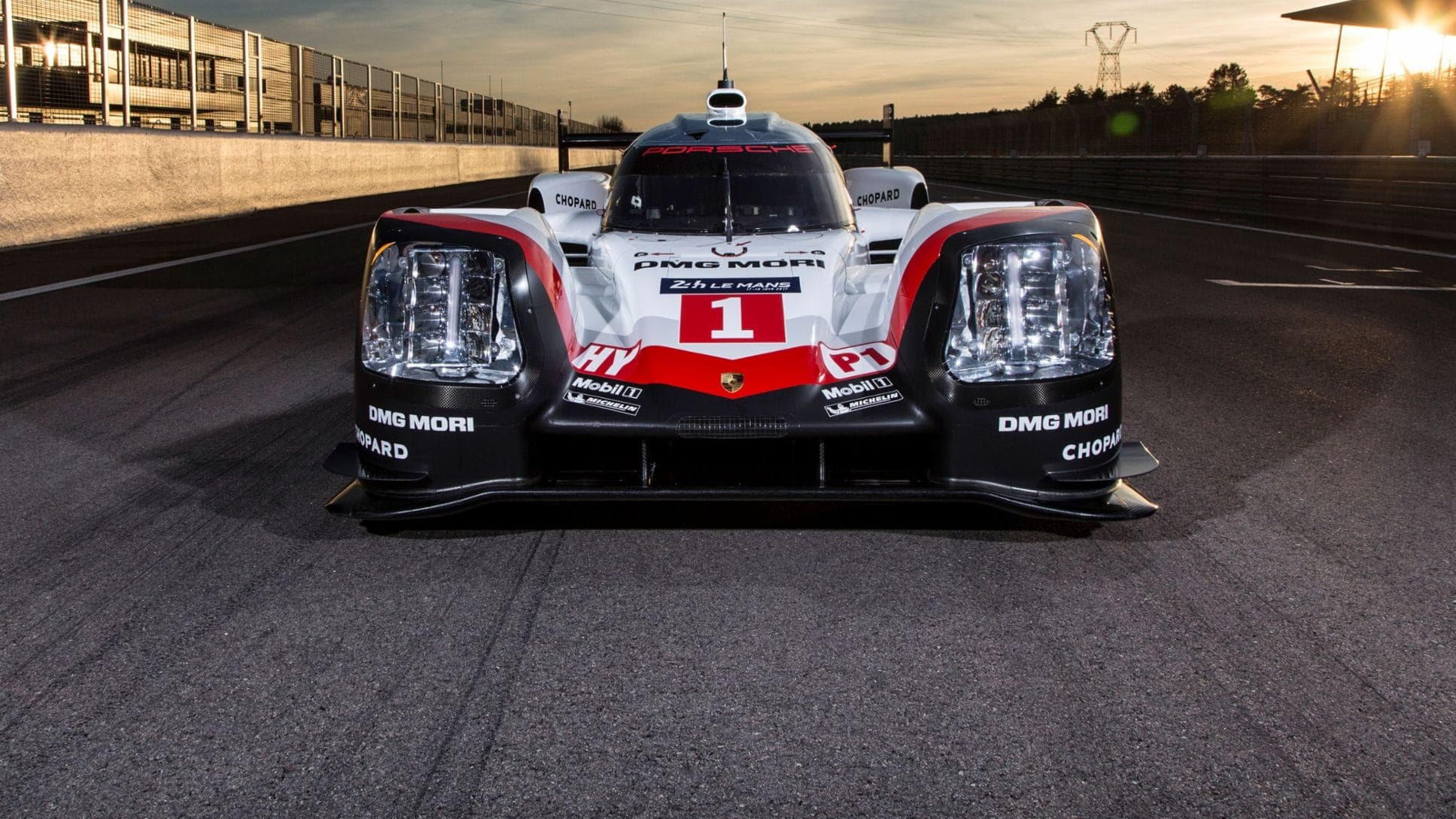
An opinion piece for LUXUO on what hybrid power has done to top-level motorsport, and what it has cost. Formula 1 moved to hybrid turbocharged V6 engines with energy recovery in 2014, and endurance racing at Le Mans followed the same path. The article traces that shift through four cars: the Porsche 919 Hybrid, the Toyota Gazoo Racing GR010 Hybrid, the Ferrari SF90 Stradale and the McLaren Artura.
The argument is that the engineering case is settled but the brand case is not. Kinetic energy recovery and hybrid turbocharging deliver real performance, yet the same systems add weight, cost and complexity, and they change the sound and the character that made these marques worth watching. Jason's position is that hybrid technology belongs in luxury racing when a brand integrates it on its own terms, and becomes a liability when it is adopted to keep pace with a trend. Rushing it risks the authenticity that the audience actually pays for.
Who wrote this?
Jason Sildir is a Turkish-Australian automotive writer based in Lidcombe, New South Wales, publishing buying guides and vehicle comparisons for the Australian car market. His articles cover Japanese imports, used hybrids, electric vehicles, family cars and the process of importing a vehicle from Japan to Australia. Jason writes from inside the trade: he is a Car Sales Manager at Carbarn, a Sydney dealership handling used and imported vehicles, where he sees which models arrive in stock, what buyers ask before they commit, and where running costs and compliance paperwork actually land. His work appears on the Carbarn blog and in LUXUO, and he has been quoted on sales process and lead qualification in TechBullion.